Planning · the Via Francigena
What the Via Francigena Costs — Lodging, Food and Transport
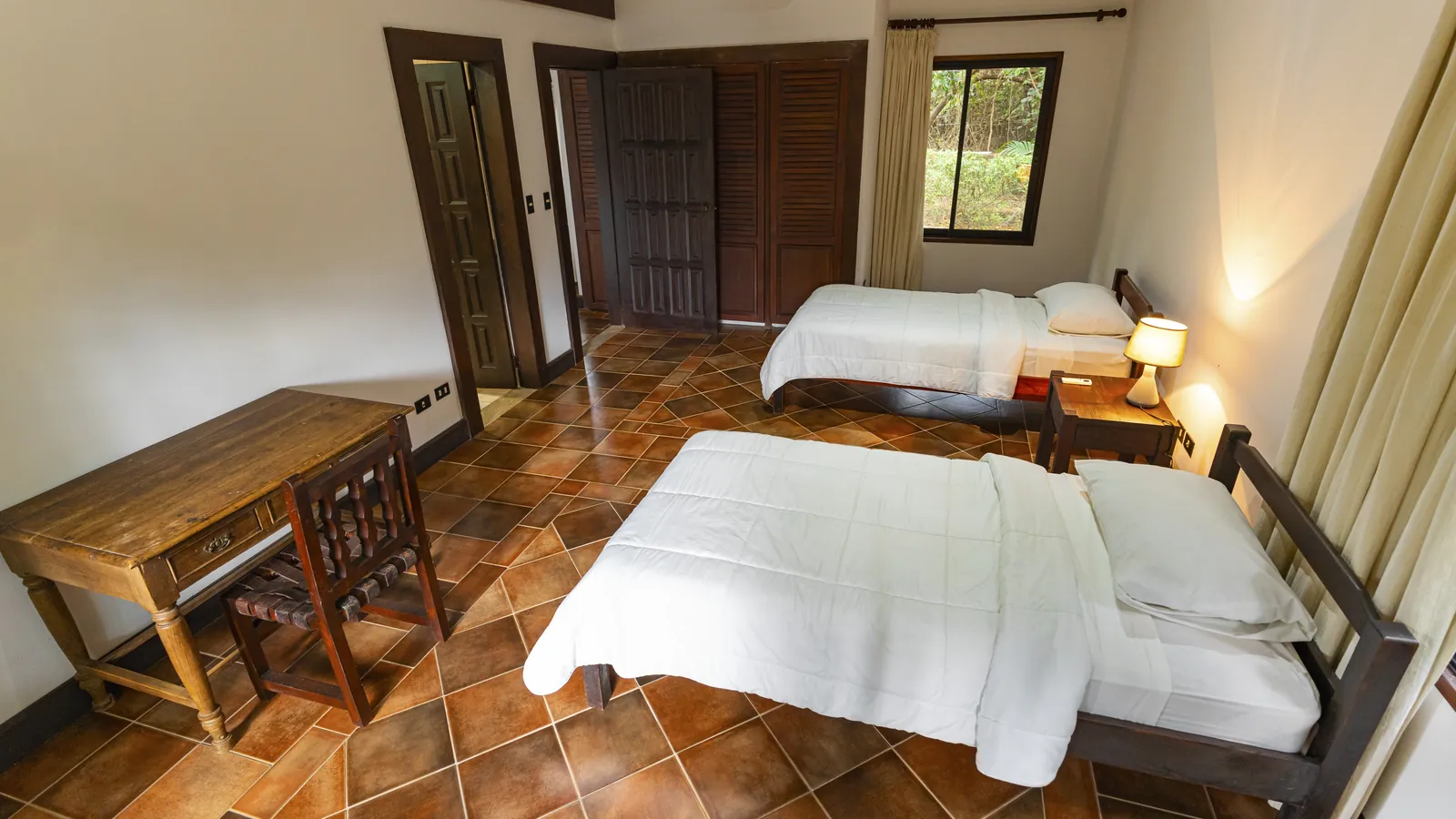
Quick answer. Accommodation is the biggest cost and it swings by country. The Confraternity of Pilgrims to Rome's bands: in Italy a pilgrim ostello is €10–15 a night when priced, a donativo expects €10 (€15 with food) as a minimum, and B&Bs and agriturismi start at €20–40; in France gîtes and B&Bs are €20–40, often with breakfast; in Switzerland a hostel bed is 20–40 CHF and a B&B 50–100 CHF. A pilgrim menu in Italy is about €15; self-catering can bring food to about €10 a day. Water, the official app, the stage tracks and the path itself cost nothing.
- €10–15 when priced (Confraternity)Italy, ostello
- €10 minimum, €15 if food is offered (Confraternity)Italy, donativo
- from €20–40 per person (Confraternity)Italy, B&B or agriturismo
- €20–40 per person, often with breakfast (Confraternity)France, gîte or B&B
- hostel 20–40 CHF; B&B 50–100 CHF per person (Confraternity)Switzerland
- 233 stays on 90 stage pages; more than half in Italy are pilgrim or religious housesOur directory
The Via Francigena can be walked cheaply, but not uniformly cheaply: the same night costs three different amounts in France, Switzerland and Italy, and the cheapest beds on the route exist only where the pilgrim network does. This guide sets out the cost of each kind of bed, then food, then getting there and back, then what costs nothing. Every figure is from the Confraternity of Pilgrims to Rome's budgeting and FAQ pages — the only association pages we could fetch that publish numbers — or from the price bands stored against the 233 stays in this site's own directory. We have not invented a daily total, because no source we could read publishes one.
Where the money goes
The Confraternity's budgeting page names the four things to plan for: accommodation, food, kit and travel, and adds that "where you are on the route will also have a significant impact on expenditure". Accommodation, it says, "is likely that this will be your biggest expense as a pilgrim". So that is where to start.
Lodging, type by type
Ostelli — pilgrim hostels
The backbone of the Italian route. Our accommodation guide describes them as dormitory beds, a kitchen, somewhere to wash clothes and other people walking the same way, with a credenziale check and, in about half, a curfew. The Confraternity's band is €10–15 a night when priced, and its description matches: "typically fairly spartan, always shared, but can often be charming", with "a huge variety in the quality". You can walk "nearly the entire route" in Italy sleeping in one each night.
Our directory holds eleven ostelli with a price — from Aosta, Ivrea and Fidenza through Lucca's Ostello San Frediano, Siena, Radicofani and the Palazzo del Pellegrino — and their stored bands run from €10–25 at the low end to €15–40 at the high, so a little above the Confraternity's floor once the city hostels are included.
Donativi — pay what you can
A handful of houses ask for a donation instead of a price. The Confraternity's guidance is €10 a night as a minimum, €15 if food is offered, with the reminder that "the service cannot function without its expenses being covered". Our accommodation guide puts it as: leave what the night was worth and what you can afford, and treat the box as a bill. In France the same model appears as pilgrim hosts — "often former pilgrims themselves" — who offer a bed, supper and breakfast for a donativo contribution or "a modest set charge", if your French runs to a phone call.
Convents and monasteries
Religious houses that take in pilgrims: Alma Domus in Siena, the Convento di Sant'Agostino, La Storta on the approach to Rome, and the Hospice du Grand-Saint-Bernard at the top of the pass. The Confraternity does not give a separate band for them; the five priced in our directory run from €15–55 at the low end to €25–83 at the top, which is to say some charge like an ostello and some like a hotel. Convents "often want notice", and some do not book by email.
Gîtes d'étape and hostels
The pattern through England and France — Canterbury YHA, the auberge de jeunesse in Calais, gîtes d'étape such as the Gîte Mamarras in Arras. The Confraternity's French band is €20–40 per person, often including breakfast, and it notes that donativo and hostel options "are not at every stage", so a bed every night in France means gîtes and B&Bs. The five priced gîtes in our directory are listed from €15–34 up to €25–48; at Dover our Shepherdswell to Dover page lists guest houses and chain hotels rather than a hostel. For Kent the Confraternity notes hostels in Canterbury and Dover and B&Bs around Shepherdswell.
B&Bs, agriturismi and hotels
In Italy, the Confraternity's minimum for a B&B or agriturismo is €20–40 per person, with "more luxurious places" charging "considerably more". In Switzerland a B&B or similar is 50–100 CHF per person, and being a single pilgrim costs relatively more everywhere — a pair or a group brings the per-head price down. Our directory is hotel-heavy in France (113 of its 208 French listings are hotels, with 54 chambres d'hôtes), but only five hotels carry a stored price, from €50–108 to €80–203, so we treat those as illustrations, not a band. Use hotels for rest days: our accommodation guide notes that pilgrim houses are for people who are moving on.
Camping
France: campsites on the route, a pitch "usually around €10", some hosts allow a tent in the garden. Switzerland: campsites "at almost every stage", up to 20 CHF, "much cheaper than the other options", and the Confraternity recommends a night on the shore of Lake Geneva. Italy: fewer sites, dearer, and "you would often pay more for a pitch than a bed", which is why pilgrims post the tent home at the border. Wild camping is prohibited in all the route's countries.
Four countries, three price levels
| Country | Cheapest bed (Confraternity) | Typical private room | Note |
|---|---|---|---|
| England | hostels in Canterbury and Dover | B&Bs around Shepherdswell | two stages only |
| France | donativo hosts, not every stage | €20–40 gîte or B&B, often with breakfast | few shops; Sundays closed |
| Switzerland | 20–40 CHF hostel | 50–100 CHF B&B | pilgrim beds "sparse to the point of non-existence" |
| Italy | €10–15 ostello or €10–15 donation | €20–40 B&B or agriturismo | pilgrim beds nearly every stage |
Our directory mirrors that split: 208 of its 233 stays are in France, 20 in Italy, 3 in England and 2 in Switzerland, so the French section is the one where you will most often be choosing between a hotel and a chambre d'hôtes.
Food
The Confraternity calls food "a variable expense" and warns that it "can be difficult to eat cheaply and sufficiently along the way", especially in the small French villages with little provision. Its FAQ is blunter: very few shops on the French route, shops closed on Sundays, few village restaurants, so plan to carry dinner into your accommodation. Switzerland and Italy have enough shops and cafés.
The price points it gives: a pilgrim menu for about €15 in restaurants "almost exclusively in Italy"; cafés and bars for lunch at "reasonable value"; supermarket and picnic food "almost always cheaper"; and, if you carry a pan and burner and keep a tight hand, about €10 a day for food, or slightly less — at the cost of "some exciting cuisine". Pilgrim accommodation often serves an evening meal and breakfast, which should be reflected in a donativo, and a hostel with a kitchen "will considerably reduce your costs".
Kit
One line from the Confraternity is worth the whole page: if you walk the whole route, the kit you buy "should ideally last you 2000km". A sleeping bag is rarely needed — a liner "will suffice (and is usually mandatory in hostels)", or a thin two-season bag in cooler months; Italian hostels usually have blankets but no washable bedding. Weight drives price, especially for tents. Our packing checklist is organised by category and season.
Transport
The Confraternity's budgeting advice on travel is short: budget for getting to your start and home from your finish, and "it is always better value to book in advance". Two specifics for the English end are worth knowing. Foot passengers on the Dover–Calais crossing "must book in advance as tickets cannot be bought in the terminal", per the Confraternity's ferry page; P&O advertises a minimum of 11 sailings a day and a crossing of about 90 minutes. Rail and ferry prices vary by date, so we quote none; the operators and timings are in the Canterbury to Dover guide. Within the route, our stage data flags 39 of the 90 stage pages as having a railway station, which is what makes section walks — and skipping a stage — affordable without taxis.
What is free
- The path. No permit, no fee to walk any of the 90 stages.
- Water. The Confraternity's FAQ: churchyard taps in France are safe to drink, and "there are also many water fountains in Italy and this water is safe to drink". In France, where shops are scarce, carry more.
- The official app. "Via Francigena – Official App", by the route's European Association, is free on the App Store and works offline; the planner account it syncs with is also free.
- Tracks. Visit Tuscany publishes KML tracks for the whole Tuscan stretch and each of its 19 legs; every stage page here carries the stage map, and the free app holds them all offline.
- Stamps. Churches, hostels, bars and tourist offices stamp the credential as you pass — the credential guide covers where.
A last word from the source
The Confraternity ends its budgeting page with a point that belongs in any plan: it is "possible and rewarding to do the Via Francigena on a shoestring", but "a lot of the communities along the Francigena have become reliant on the pilgrim trade", and money spent there "is almost always directly invested into those local communities". Spend less in Switzerland if you must; spend honestly in the donativi.
Frequently asked questions
How much does the Via Francigena cost per day?
It depends on the country and the bed. Using the Confraternity's bands, a pilgrim sleeping in ostelli and donativi in Italy and eating a €15 pilgrim menu spends roughly €25–30 a day; the same walker in France pays €20–40 for the bed alone; in Switzerland a hostel bed is 20–40 CHF and a B&B 50–100 CHF. Neither the Confraternity nor the route's association publishes a single per-day figure, so we do not either.
How much is a pilgrim hostel on the Via Francigena?
In Italy, €10–15 a night when a price is set, according to the Confraternity; the eleven priced ostelli in our own directory run from €10–25 at the low end to €15–40 at the top. Gîtes in France and England in our directory are listed from €15–34 up to €25–48.
What is a donativo and how much should I leave?
Accommodation that asks for a donation instead of a price. The Confraternity suggests €10 a night as a minimum and €15 if food is offered, and reminds pilgrims that "the service cannot function without its expenses being covered". Our accommodation guide's advice is to treat the box as a bill rather than a tip.
Is Switzerland really that expensive on the Via Francigena?
Yes. The Confraternity says pilgrim-specific accommodation there is "sparse to the point of non-existence", hostels are 20–40 CHF and B&Bs 50–100 CHF per person, and campsites up to 20 CHF. It suggests asking parish priests or pastors about parish rooms, and — only half joking — running through it.
Can I camp to save money on the Via Francigena?
In France, yes: campsites are on the route and a pitch is around €10. In Switzerland there are campsites at almost every stage at up to 20 CHF. In Italy campsites are fewer and dearer, and because donativo beds are so cheap a pitch can cost more than a bed — the Confraternity says pilgrims often post their tent home on reaching Italy. Wild camping is prohibited in all the route's countries.
Stages mentioned in this guide
Sources
- Confraternity of Pilgrims to Rome — Budgeting for the Via Francigena
- Confraternity of Pilgrims to Rome — Frequently asked questions
- Confraternity of Pilgrims to Rome — Walking the Via Francigena
- Confraternity of Pilgrims to Rome — Accommodation resources
- Confraternity of Pilgrims to Rome — Dover to Calais as a foot passenger
- AEVF — Via Francigena official app and guides
- Visit Tuscany — Via Francigena signposting and KML tracks
- P&O Ferries — Dover to Calais